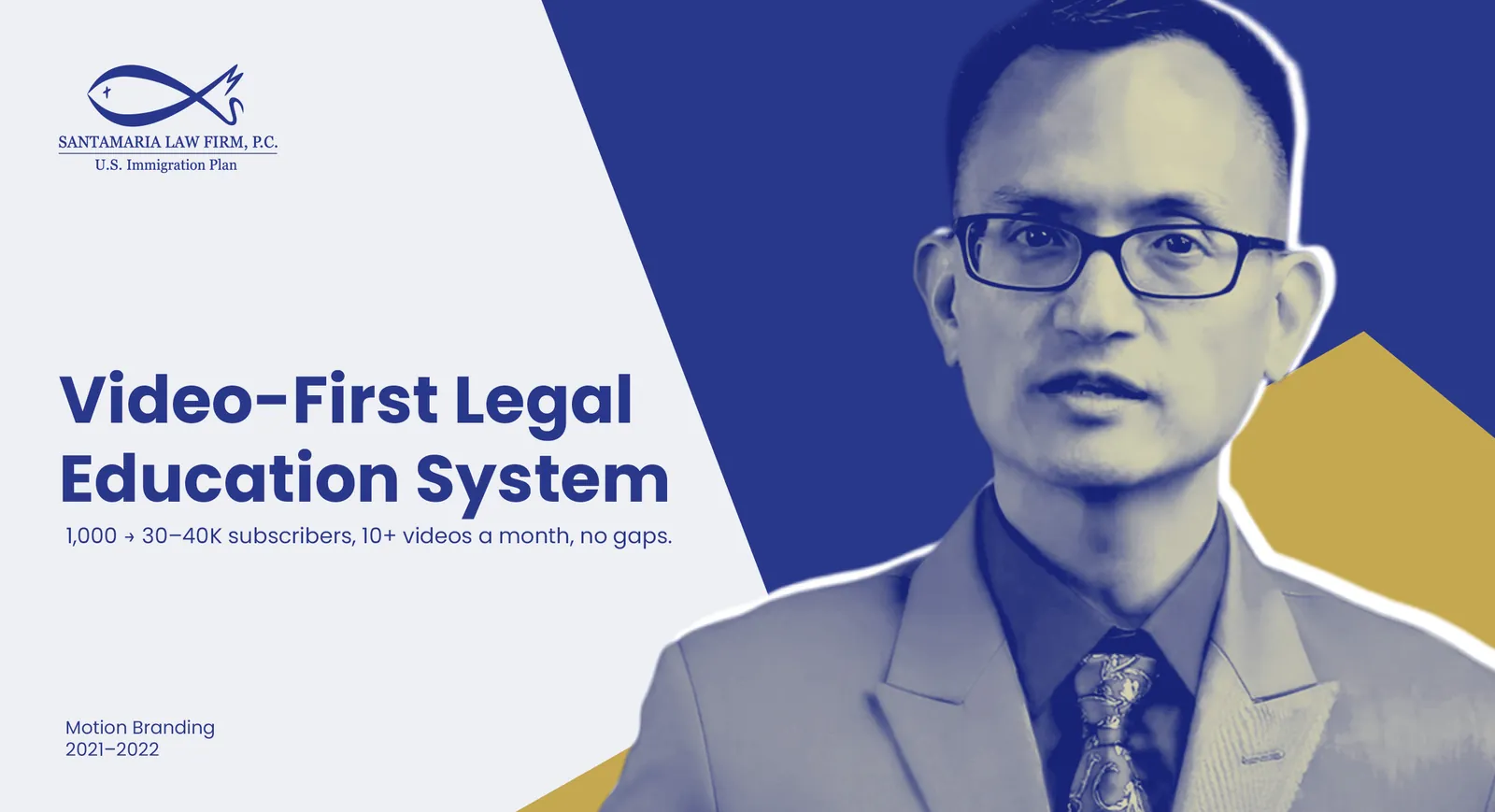
Santamaria Law FirmVideo-First Legal Education System
Jan 2021 – Jun 2022
Year
Motion Branding
Discipline
6 deliverables
Scope
A channel from 1,000 to 30–40K subscribers over 18 months, on 10+ videos a month with no gaps
1,000 → 30–40K subscribersacross the 18-month engagement
10+ videos every monthfor eighteen months, with no gaps
2 university partnershipsUC Berkeley and the University of San Francisco followed from the channel’s visibility
Two content lines, one pipelinelegal updates and a kids’ English series, without breaking visual consistency
Where “lock it once” came fromthe layout churn on this project is why branding-first became the default on every one after
CASE01
What they came with
Santamaria Law Firm needed to explain U.S. immigration law to people who are not lawyers: clearly, consistently, and at volume. Static content was not doing that job.
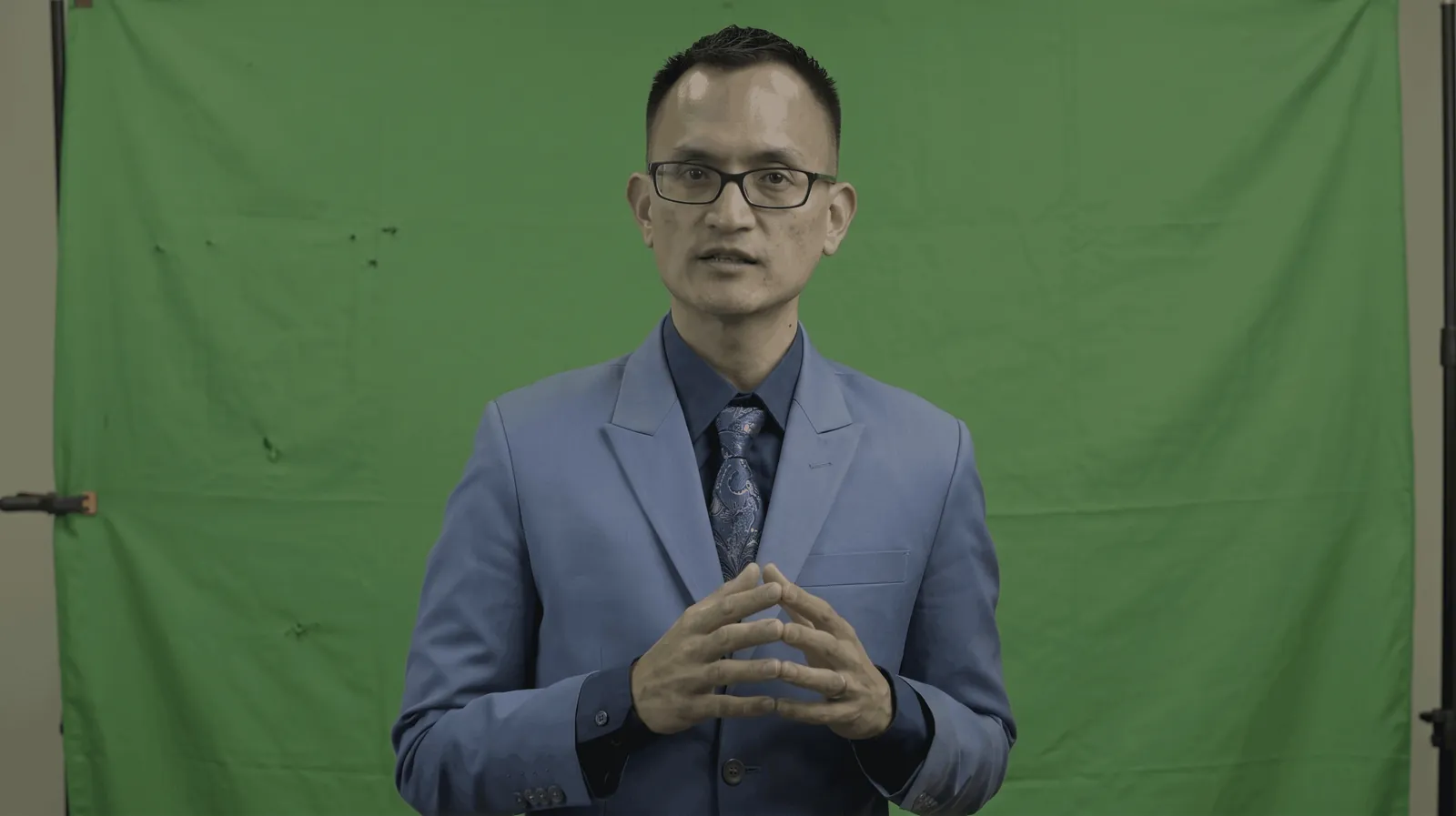
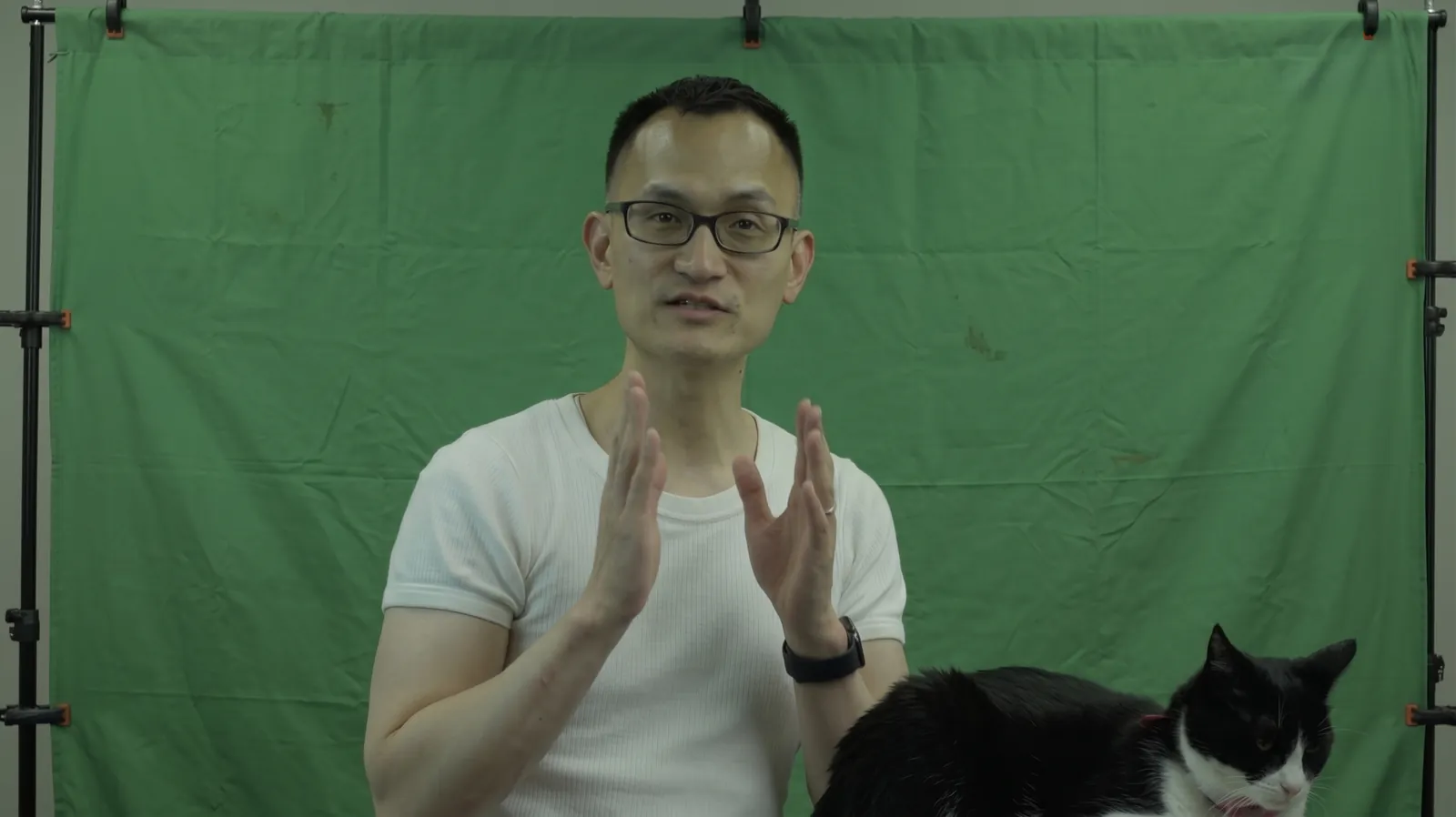
What they had was raw green-screen footage of the attorney and no visual system to put it in. What they needed was not a video style but a video engine: something that could turn dense legal procedure into content people would watch, understand and act on, at ten or more episodes a month.
CASE02
How I built it
The engine had to come out of the firm’s own brand rather than be invented alongside it, or every episode would drift a little further from the practice it represented.
Branding first, then everything else
I pulled the layout system straight out of the firm’s existing logo, colour palette and typography and built on top of them, so every icon, popup and callout that followed stayed inside one visual language instead of being decided per episode.
The firm’s own logo and palette, made a system.
Green-screen compositing
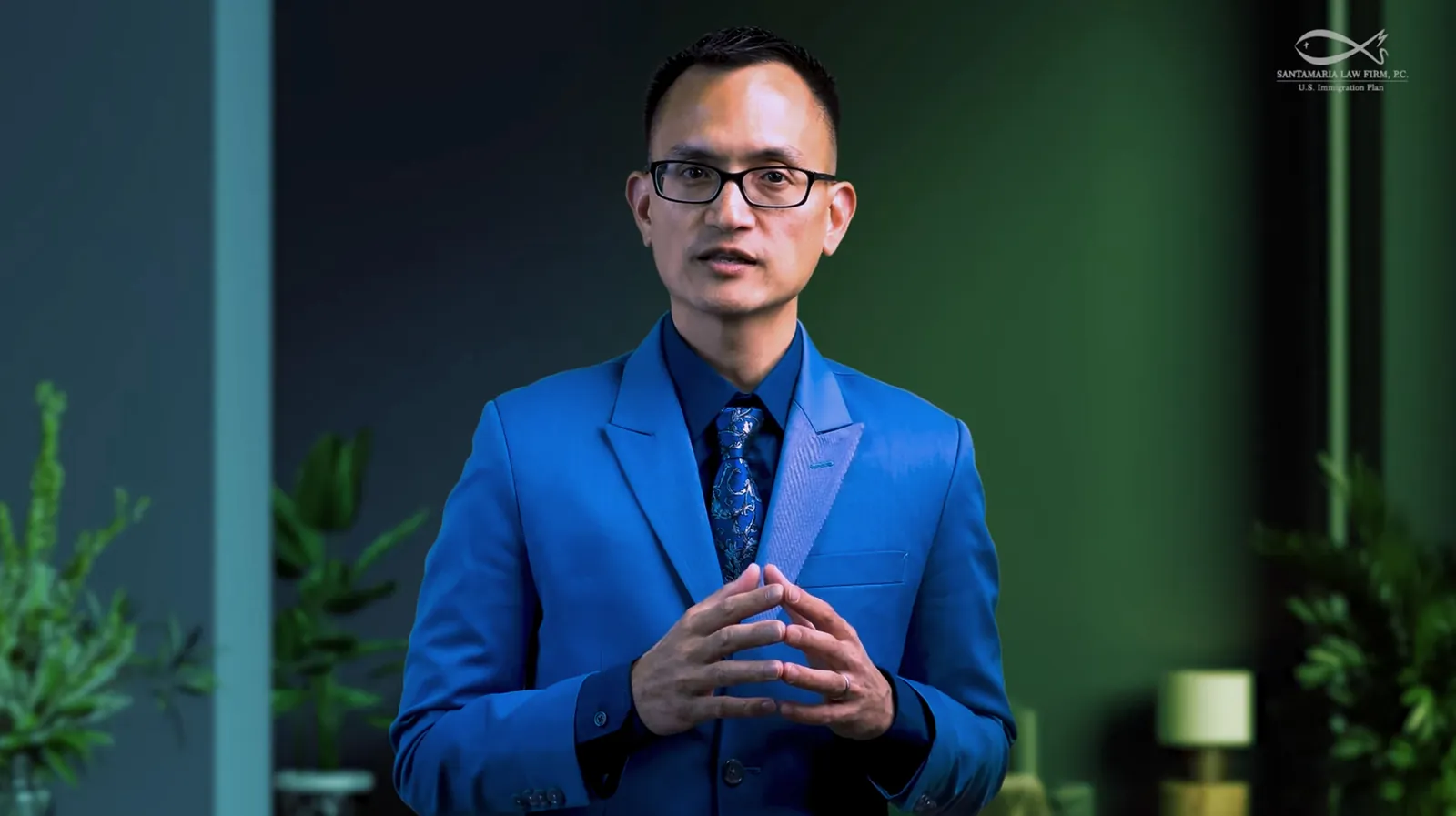
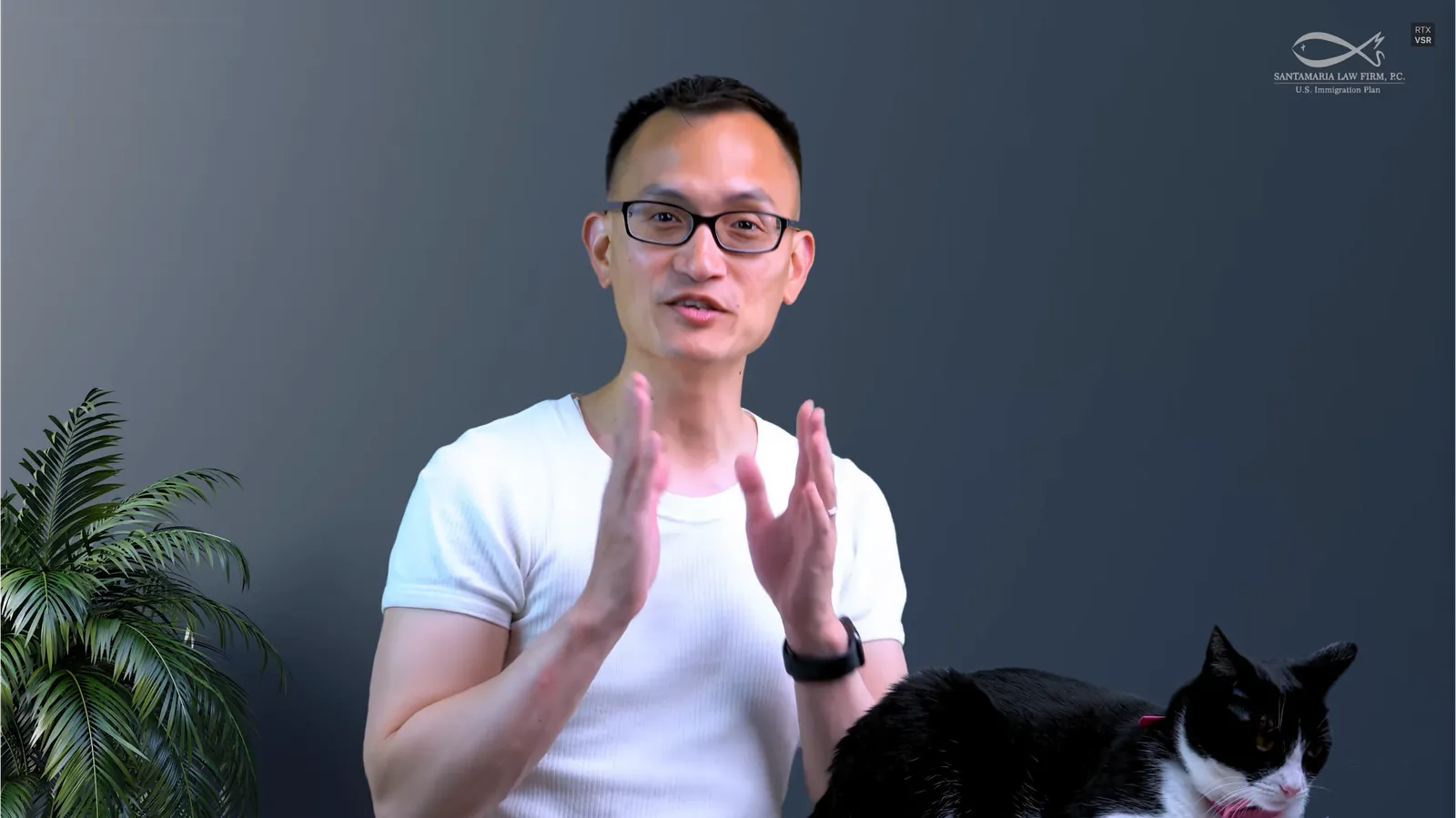
I keyed out the raw background and replaced it with a custom backdrop, graded to the firm’s palette. Every single episode, not a template applied once and left to drift.
BeforeAfter
Keyed, then graded. Drag the handle: one frame, both states.
A motion and icon system
I built animated, keyframed icon sets per legal topic: a birth-certificate mock-up for identity documents, a numbered checklist for disclosures, an arrest icon for deportation risk. Synced to the script, they work as a visual subtitle track: someone who loses the thread still has something on screen telling them what is being discussed.
The library, and one of its overlays arriving mid-sentence.
The audio layer
Voiceover enhancement and sound design on every episode, for pacing and for clarity. Legal explanation is dense by nature, and audio is what gives a viewer somewhere to breathe in it.
A second content line on the same pipeline
Alongside the legal updates ran a parallel series: Dora-the-Explorer-style English tutorials for children, hosted around a cat character called Lenin, who put questions directly to the viewer before the host answered. Same production pipeline, an entirely different audience, and no loss of visual consistency between them.
BeforeAfter
The children’s line, same key and same grade. Not a template applied once.
One lesson, kept
I tested three or four layout and animation variations early, while the colour system stayed locked throughout. That layout churn is exactly why branding-first, locked once, became the default on every project after this one: including the ones on this site.
CASE03
What shipped
Every episode left as a finished package rather than a cut of footage: keyed and colour-graded to the firm’s branding, topic-specific animated overlays, a full voiceover and sound pass, and the same branded intro and outro carrying across the whole run.
The intro that opened every episode of the run.
A finished episode: keyed, graded, overlaid, and through the sound pass.
The children’s line shipped on the same terms, a distinct, character-led format, produced through the identical pipeline, so running two audiences never meant running two productions.
Two university collaborations came out of the channel as well, with UC Berkeley and the University of San Francisco. That work is under NDA and is not shown here.
The scope also widened past video during the contract: the firm’s presentation and document assets were rebranded on top of the video work, so what an attorney handed a client in a meeting matched what a viewer saw on the channel.
SYSEPISODES
Eight of the forty, playable here.
Five legal episodes and three from the children’s English line, one of them in Spanish. The same pipeline, the same visual system, audiences that share nothing else.
Played from YouTube. The player itself only loads when you press play.
CASE04
Where it landed
The channel went from roughly 1,000 subscribers to 30–40K across the eighteen-month engagement, on a delivery rate of ten or more videos a month with no gaps. Two university partnerships (UC Berkeley and the University of San Francisco) followed from that visibility.
What made the volume possible was that it was one production system rather than a style reapplied each time. It carried two content lines with different audiences and did not break visual consistency between them, and it absorbed a scope expansion into presentation and document design without a rebuild.
These figures describe the channel’s growth over the period I ran its video production. They speak to the consistency and reach of the work rather than a claim of sole causation.
Hamza is an excellent video editor as he's helped my law firm with various videos with high quality. He's easy to work with and communicate quickly. He accepts feedback humbly and implements our suggestions rapidly. He understands our points without having to explain in too much detail. Thus, he's edited several of our videos and that's why I highly recommend him!
Dr. Marc Anthony Santamaria, Esq, PhDSantamaria Law FirmView on LinkedIn↗
CASE05
Delivered
01Green-screen keying and branded colour-grading pipeline
02Animated icon and callout system, an immigration-law visual library
03Voiceover enhancement and sound design on every episode
04Branded intro and outro carried across the full run
05Parallel English-tutorial line for children: character-led format
06Presentation and document asset rebrand, added to the video contract
This conversation is recorded and shared with Hamza Ashraf so he can follow up personally.
Ask me about Hamza's services, pricing, process or past work. I answer from what is on this site. For anything that needs a decision, I will point you to him.
Answers come from this site. For a quote or a start date, message Hamza.


 Santamaria Law FirmView on LinkedIn